
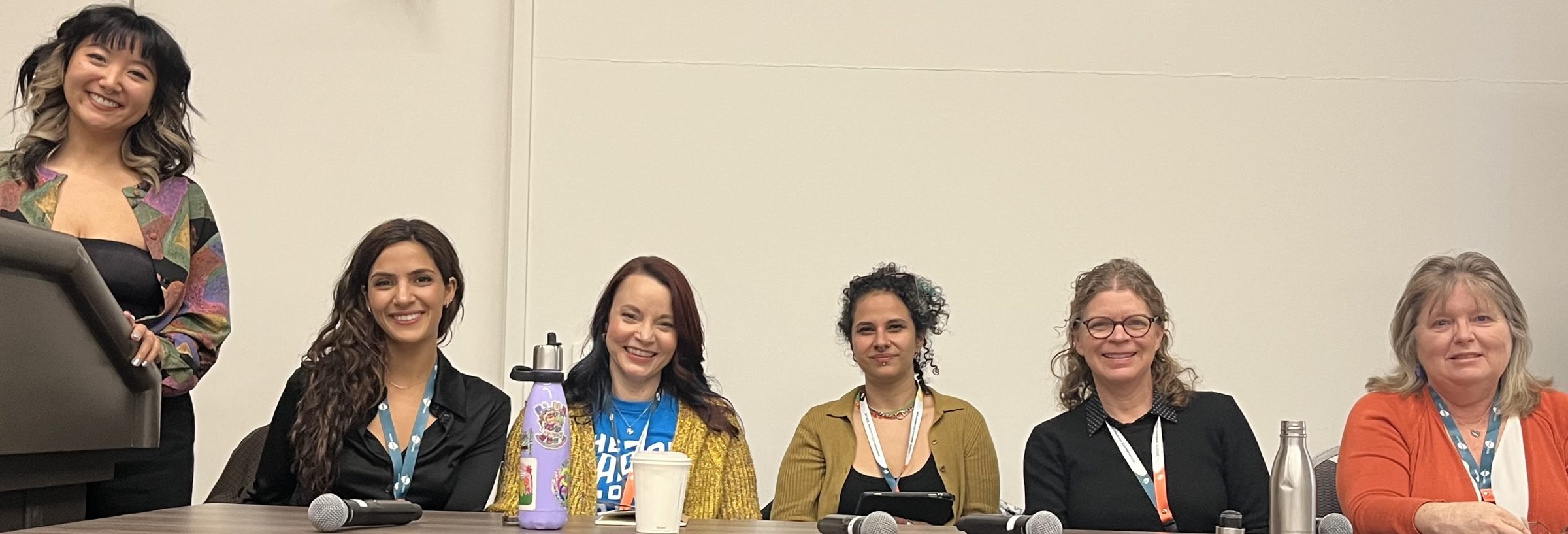
On November 13, 2025, Faces & Voices of Recovery CEO, Patty McCarthy, joined an impactful panel at the International Drug Policy Reform Conference in Detroit titled “We’re On the Same Team: Bridging the Gaps Between Harm Reduction, Prevention, Treatment, and Recovery.” This conversation brought together leaders from across the continuum of care to address a critical question: How can we work together to create policies that truly meet the needs of people who use drugs and those in recovery?
Why Collaboration Matters
For too long, harm reduction and recovery have been portrayed as opposing philosophies. In reality, they share a common goal—saving lives and improving health outcomes. Harm reduction strategies, such as syringe service programs and naloxone distribution, reduce immediate risks and keep people alive. Recovery support services help individuals build long-term wellness and community connection. Both approaches are essential, and both are grounded in compassion and evidence.
When advocates unite, we amplify our collective voice for policies that prioritize health, dignity, and choice. This means moving beyond siloed efforts and embracing a spectrum of care that includes prevention, treatment, harm reduction, and recovery.
Key Themes from the Panel
Advocacy is most effective when we speak with a united voice. Recovery advocates can champion harm reduction policies that keep people alive long enough to find recovery. Harm reduction advocates can support recovery-oriented systems that offer hope and connection. Together, we can push for:
As Patty McCarthy shared during the panel, “We’re on the same team. At minimum, we should not work against each other and find opportunities to lift each other up. Our differences should not divide us—they should strengthen our ability to meet people’s needs at every stage.”